
What foundational knowledge is required before entering the field of cyber security?
Before entering the field of cyber security, it’s essential to have a solid foundational knowledge in several key areas. Here are some fundamental areas of knowledge you should consider:
Technical Skills:
- Computer Networking: Understand the basics of how computer networks operate, including protocols, IP addressing, subnetting, and network topologies.
- Operating Systems: Have a good grasp of operating systems such as Windows, Linux, and macOS. Learn about user permissions, file systems, and basic command-line operations.
- Programming and Scripting: Familiarize yourself with programming languages like Python, Bash, or PowerShell. This knowledge is valuable for automation, scripting, and understanding vulnerabilities.
- Cyber security Basics: Gain an understanding of fundamental cyber security concepts, including confidentiality, integrity, availability, and the CIA triad. Learn about common cyber security threats and attack vectors.
- Cryptography: Familiarize yourself with cryptographic principles and algorithms. Understand how encryption and decryption work, and their applications in securing data.
- Web Technologies: Learn about web protocols (HTTP, HTTPS), web application architecture, and common web vulnerabilities such as Cross-Site Scripting (XSS) and SQL injection.
- Security Fundamentals: Understand basic security principles, including access controls, authentication, authorization, and security policies.
- Security Standards and Frameworks: Familiarize yourself with industry standards and frameworks like ISO 27001, NIST, and CIS benchmarks. These provide guidelines for securing information systems.
- Firewalls and Intrusion Detection Systems (IDS): Gain knowledge about how firewalls and IDS/IPS systems work to protect networks from unauthorized access and malicious activities.
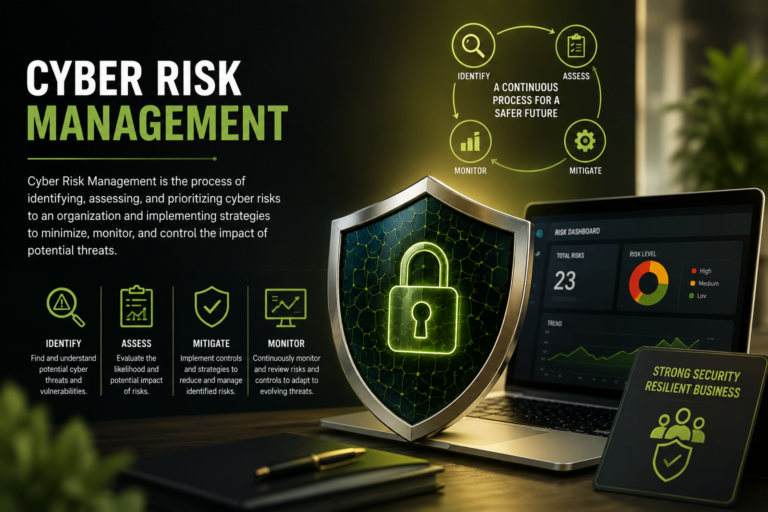
- Risk Management: Understand the basics of risk assessment and management. Learn how to identify, assess, and mitigate cyber security risks.
- Incident Response: Know the basics of incident response, including how to detect, respond to, and recover from security incidents.
- Ethical Hacking: Familiarize yourself with ethical hacking concepts, tools, and methodologies. Understand the importance of ethical and legal considerations in penetration testing.
- Security Awareness: Develop an awareness of social engineering tactics and the human element in cyber security. Understand how to educate and create security awareness among users.
- Virtualization and Cloud Computing: Learn about virtualization technologies and cloud computing concepts. Understand the security implications of cloud services.
- Networking Protocols: Have a good understanding of common networking protocols such as TCP/IP, DNS, DHCP, and SNMP.
Conceptual Understanding:
- Security Principles: Grasp core security concepts like confidentiality, integrity, and availability, known as the CIA triad.
- Threat Landscape: Understanding common cyber threats, attack vectors, and attacker motivations is crucial.
- Risk Management: Learn how to identify, assess, and mitigate security risks effectively.
- Incident Response: Familiarity with incident response procedures and best practices in case of security breaches.
- Compliance: Knowledge of relevant cyber security regulations and laws like GDPR or HIPAA.
Soft Skills:
- Critical Thinking and Problem-Solving: Analyze complex security challenges and develop effective solutions.
- Analytical Skills: Interpret data and logs to identify potential security incidents.
- Communication Skills: Communicate technical concepts clearly to both technical and non-technical audiences.
- Adaptability and Continuous Learning: The cyber security field evolves rapidly, so staying updated with new threats and technologies is essential.
Additional Tips:
- Hands-on experience: Practice your skills through virtual labs, security challenges, or personal projects.
- Certification can be helpful: Consider pursuing industry-recognized certifications like CompTIA Security+ or Certified Ethical Hacker (CEH) to validate your knowledge and expertise.
- Build a network: Connect with other cyber security professionals through online communities, meetups, or conferences.
Continuous learning is crucial in the dynamic field of cybersecurity, so staying updated on the latest threats, technologies, and best practices is equally important. Consider pursuing relevant certifications such as CompTIA Security+, Certified Information Systems Security Professional (CISSP), or Certified Ethical Hacker (CEH) to validate your skills and knowledge in cybersecurity.